

How we run content SEO
We are a remote-first team based in Delhi, India. Every project starts with a free 30-minute audit.
- Price
- Fixed in the quote after the free audit
- Timeline
- Agreed in the quote, before work starts
- You keep
- The briefs, drafts and published pages
- After launch
- Pages reviewed monthly and refreshed when they slide
Content we plan and write
We would rather publish ten pages that sell than fifty that fill a calendar. These formats usually pull their weight.
Buying guides
Guides that help someone choose: sizes, strengths, materials, budgets. They link to the range at every decision point, so the guide sells as well as informs. Each one starts from a brief covering intent, reader and the questions to answer.
Fair comparisons
"X vs Y" and "best for" pages, written fairly, including when a different product suits better. Buyers can tell when a comparison is rigged, so the honest ones are the ones that get believed.
Spec explainers
Pages that explain what PN16 means, or what thread count really changes. Engineers and enthusiasts search for these, AI answers quote them, and your own experts add what only they know.
Category intros
Two or three useful sentences above the product grid, and more advice below it. It is the most overlooked content on most stores, and it strengthens the category pages your articles link to.
Care and how-to
Care instructions and how-to pages keep customers happy after the sale. They also bring in searches from people who bought elsewhere, and they are reviewed monthly so pages that slide get refreshed.
Original data
Your own test results, return reasons, sizing data or survey findings, turned into pages. Competitors cannot copy it, and it is what other sites link to and AI answers cite.
From a keyword list to a page that ranks
The same order on every project. Your dates are set in the quote.
- Step 01
Research
We gather keyword data, the queries you already get impressions for and the questions your sales and support teams hear.
- Step 02
Map
We assign each search to one page, existing or new, so your pages stop competing with each other.
- Step 03
Brief
You get a brief with the intent, reader, outline, questions to answer, internal links and the proof we need from you.
- Step 04
Draft with your experts
We draft, and your people add what only they know. A twenty-minute interview often gives a page its best paragraph.
- Step 05
Edit and publish
We fact check, run on-page checks, add structured data where it fits and link from the relevant category pages.
- Step 06
Measure and refresh
We review clicks, positions and conversions per page each month, and refresh pages that slide.
What we need from you
Twenty minutes with the person who knows each topic, access to Search Console, and the questions your sales and support teams hear.
New page, refresh, merge or remove?
Most sites need the content they already have to do its job before they need more of it. For every page in the audit we pick one of four actions.
Write new
When there’s real demand and no page answers it.
- Signals
- A search with clear intent, no page of yours targeting it, competitors ranking with weak pages
- Effort
- Highest: research, brief, expert input, writing
Refresh
When a page used to perform and is sliding.
- Signals
- Clicks falling over months, positions 5 to 15, outdated facts or prices
- Effort
- Medium: update, expand, and only change the date when the content really changed
Merge
When two or more pages compete for one search.
- Signals
- Several URLs swapping places for one query, thin overlapping posts
- Effort
- Medium: combine the best of each, 301 the rest
Remove
When a page helps nobody.
- Signals
- No visits, no links, no purpose, expired promotions
- Effort
- Low: 410 or 301, then fix internal links
Work related to this service
A few projects close to this kind of work: what was needed and what we built.
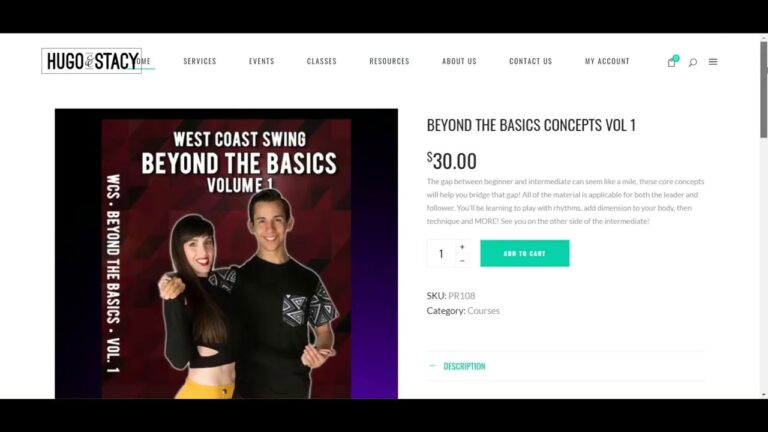
Hugo and Stacy dance courses
A store for dancers Hugo and Stacy, selling digital download dance courses with payment and instant download, hosted on AWS.
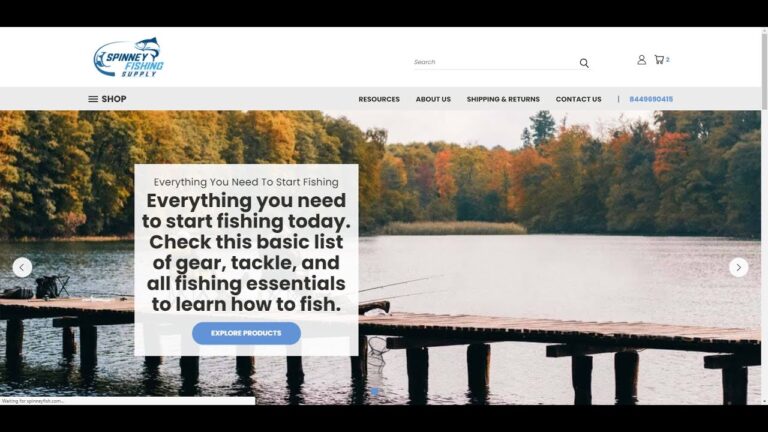
Spinney Fishing Supply on BigCommerce
A BigCommerce store for Spinney Fishing Supply, which sells fishing and boating supplies to beginners, hobbyists and professional anglers.

Vproteomics website redesign
A WordPress redesign for Vproteomics, a proteomics services company, built around its discovery and targeted proteomics services.
Ecommerce by industry
Each industry has its own stock, pricing and delivery rules. Pick yours to see the common problems and what we build.
- B2B wholesale and distributionTrade pricing, quotes, bulk orders→
- Health and beautySubscriptions and repeat orders→
- Home and furnitureLarge catalogues, delivery slots→
- Food and beverageFresh stock and fast fulfilment→
- Industrial and manufacturingParts catalogues tied to the ERP→
- Fashion and apparelSizes, variants and returns→
- Electronics and technologySpecs, bundles and warranties→
- Not listed?Tell us your industry→
About content SEO
Anything else, ask on the audit call.
Not answered here? Ask on the free 30-minute audit call.
Book a free auditDo you write the content, or do we?
Either, or both. We research and brief every page. Our writers can draft, and we edit what your team writes. The best pages usually combine our structure with your people’s first-hand knowledge.
Is AI-written content bad for SEO?
Google judges the content, not the tool. Pages made mainly to rank, without real help or expertise, tend to do badly whoever writes them. We use AI for research and outlines, and people for the expertise and the final words.
How many articles do we need?
Fewer than most plans suggest. A topic cluster of eight to fifteen strong pages around a category usually beats fifty thin posts. We plan to the gaps your competitors leave.
What is E-E-A-T?
Experience, expertise, authoritativeness and trust: the qualities Google’s quality guidance asks reviewers to look for. It is not a single ranking factor, but pages that show them tend to perform better in search and get cited in AI answers.
Do you optimise existing pages too?
Yes. Updating titles, headings, answers and internal links on pages that already rank on page two is often the fastest win in a content programme.
How long should a page be?
As long as it takes to answer the question well, and no longer. Word count isn’t a ranking factor. Our briefs give a length guide based on what the search needs, not a target to pad towards.
Should we keep publishing a blog post every week?
Only if each one has a job. A steady stream of thin posts can drag down how your site is seen overall. We would rather publish less, refresh more and link every article to the pages that sell.
Can content help us appear in AI Overviews?
It can raise the odds. Pages that answer clearly, show first-hand experience and are easy to quote are the ones AI answers tend to cite. Nobody can guarantee a citation, so we track it rather than promise it.
Who owns the content you write?
You do, once it is paid for. Briefs, drafts and research notes are yours too, and they stay in your shared folder if we ever stop working together.
Certifications and partner programmes
Intelligize Digital is a registered partner of these platforms and hosts.
 ShopifyShopify Partner
 BigCommerceBigCommerce Partner
 WP EngineWP Engine partner
 AutomatticAutomattic for Agencies
- NNexcessNexcess partner
 HostingerHostinger partner
 BigCommerce Certified
 BigCommerce Certified
 Liquid Storefronts for Theme DevelopersShopify Certified
 Headless at Shopify for DevelopersShopify Certified
 Shopify FoundationsShopify Certified
Which question should
your site answer best?
Send one question your buyers ask before they buy. We will show you who answers it today and outline the page that could beat them.
What happens next
- An engineer replies Within one business day, by email.
- A free 30-minute audit On a call with an engineer.
- A fixed quote It follows the audit. Nothing is billed before you agree it.