

How we run ecommerce SEO
We are a remote-first team based in Delhi, India. Every project starts with a free 30-minute audit.
- Price
- Fixed in the quote after an ecommerce SEO audit
- Timeline
- Agreed in the quote, before work starts
- You keep
- Template fixes, feed rules and markup on your store
- Reporting
- Feed data checked against the page
The pages ecommerce SEO works on
Blog posts get the attention, but for most stores the buying searches land somewhere else. These are the places we work on first.
Category and collection pages
Searches like "linen bedding" are broad, busy and commercial, and one well-built category page can outrank dozens of product pages for them. We give each category a clear title, useful intro copy and internal links, in place of an H1 and a bare grid.
Filtered landing pages
"Waterproof walking boots women's" is a filter combination with real demand. We give combinations like it a crawlable URL, their own title and a short intro so they can rank, and keep the rest of the filters from wasting crawl.
Product pages
Brand plus model, part numbers and GTINs bring low volume per product, but across a catalogue it adds up, and these visitors are ready to buy. We make sure the right product URL ranks and its markup shows the right price.
Free product listings
Merchant Center feeds put products in the Shopping tab and product grids without a cost per click. Products only show there if the feed data is clean, so we fix feed prices that do not match the page.
Image and video results
Product photos with descriptive file names and alt text, plus short how-to clips, pick up searches the text never will. We set the alt-text pattern on the product template, so one change covers the whole catalogue.
Buying guides and comparisons
"Which size sofa for a small living room" sits one step before the category page. Good guides link down to the range and get quoted in AI answers, so we plan them with the category they support.
From audit to hand-over in five steps
The same order on every project. Your dates are set in the quote.
- Step 01
Audit
We hold a free 30-minute call about what you have today and what is going wrong.
- Step 02
Quote
You get a fixed scope, price and dates in writing.
- Step 03
Build
We build in your own accounts and show you progress each week.
- Step 04
Test
We check changes on a staging copy or a test set-up before they go live.
- Step 05
Hand over
You get documentation and a walkthrough for your team.
What we need from you
Access to the store admin, Merchant Center and Search Console, and a say on which categories matter most.
Which page should win which search?
A common problem: a blog post, the category and three products all compete for the same phrase, and none of them wins. We map each search to exactly one page type.
Category page
For broad, commercial searches.
- Typical search
- “vitamin c serum”
- The searcher wants
- To see the range and compare options
- The page needs
- A short intro, useful filters, buying advice below the grid and links to guides
- Watch out for
- Thin pages with just a title and a grid
Product page
For specific, ready-to-buy searches.
- Typical search
- “gentle 10% vitamin c serum 30ml”
- The searcher wants
- Price, stock, delivery and proof it’s the right one
- The page needs
- Own description for key lines, Product markup, reviews, clear variants
- Watch out for
- Manufacturer copy pasted on hundreds of other sites
Buying guide
For questions asked before choosing.
- Typical search
- “is vitamin c ok for sensitive skin”
- The searcher wants
- A straight answer from someone who knows
- The page needs
- An expert author, the answer first, links to the category and products
- Watch out for
- Guides that never link to anything you sell
What drives the cost of ecommerce SEO
We quote after the audit, because the same retainer can be too much for one store and too little for another. These are the things that move the number.
Catalogue size and complexity
A 200-product store and a 40,000-SKU catalogue with variants need very different amounts of template and data work. As a guide: audits of large catalogues take two to three times as long.
The state of your product data
Missing GTINs, inconsistent attributes and prices kept in three places mean data clean-up comes first, often in the ERP. See ERP integration.
Number of markets
Each extra language or region adds hreflang, a Merchant Center feed per country and localised content.
Direct access to the code
If we can ship theme changes through your repository, work moves faster than when every change queues behind another agency.
Your team writing some content
Category intros, buying guides and rewrites are the main variable cost. Your experts drafting some of it lowers the bill and usually improves the page.
Things we can reuse
Good existing content, clean analytics and a recent migration map all cut the starting effort.
Work related to this service
A few projects close to this kind of work: what was needed and what we built.
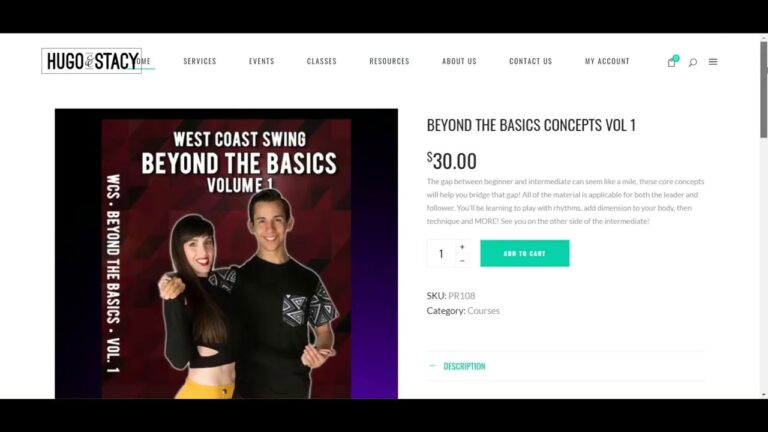
Hugo and Stacy dance courses
A store for dancers Hugo and Stacy, selling digital download dance courses with payment and instant download, hosted on AWS.
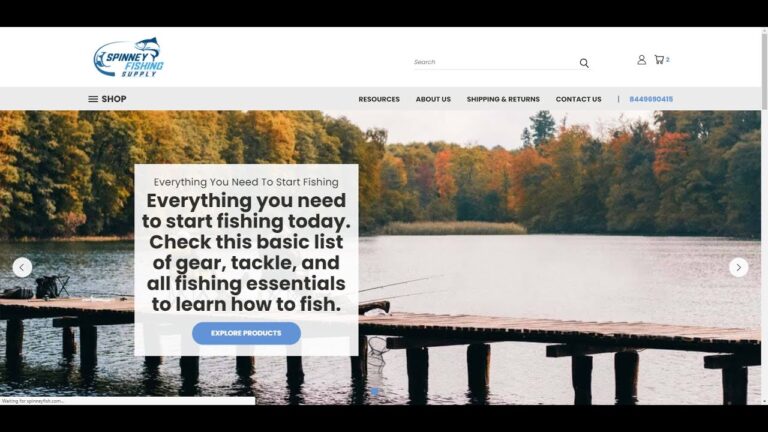
Spinney Fishing Supply on BigCommerce
A BigCommerce store for Spinney Fishing Supply, which sells fishing and boating supplies to beginners, hobbyists and professional anglers.

Vproteomics website redesign
A WordPress redesign for Vproteomics, a proteomics services company, built around its discovery and targeted proteomics services.
Ecommerce by industry
Each industry has its own stock, pricing and delivery rules. Pick yours to see the common problems and what we build.
- B2B wholesale and distributionTrade pricing, quotes, bulk orders→
- Health and beautySubscriptions and repeat orders→
- Home and furnitureLarge catalogues, delivery slots→
- Food and beverageFresh stock and fast fulfilment→
- Industrial and manufacturingParts catalogues tied to the ERP→
- Fashion and apparelSizes, variants and returns→
- Electronics and technologySpecs, bundles and warranties→
- Not listed?Tell us your industry→
About ecommerce SEO
Anything else, ask on the audit call.
Not answered here? Ask on the free 30-minute audit call.
Book a free auditIs ecommerce SEO different from regular SEO?
The principles are the same, but stores have problems content sites rarely do: thousands of near-identical product pages, filters that spawn URLs, stock that changes daily and product data that must match a feed. Most of the work is in templates, not individual pages.
Which platform is best for SEO?
Shopify, BigCommerce, WooCommerce and Adobe Commerce can all rank well. Each has quirks, such as Shopify’s fixed /collections and /products paths or WooCommerce’s tag archives. We work with the platform you have rather than recommending a rebuild.
Do you handle Google Merchant Center?
Yes. We check that feed prices, availability and identifiers match the product pages and structured data, fix disapprovals and set up free product listings.
Should we write unique descriptions for every product?
For your best sellers and high-margin lines, yes. For long-tail catalogues we improve the template and the data first, then rewrite in priority order, so the effort goes where the searches are.
Will review stars show for our products?
They can, if ratings come from genuine reviews on your site, are marked up correctly and Google chooses to show them. Rich results are never guaranteed.
How long does ecommerce SEO take to work?
Template and technical fixes often show within weeks of Google recrawling the pages. Category content and authority work usually take three to six months. Seasonal ranges need starting well ahead of the season, because a page published the week before peak rarely ranks in time.
Should out-of-stock products be noindexed?
Usually not. If the product is coming back, keep the page live, mark it out of stock and offer alternatives or a restock alert. Noindex or redirect only when the product is gone for good.
Do product reviews help SEO?
Genuine reviews add fresh, specific text about the product, can make the page eligible for review stars and help buyers decide. They have to be real and requested from all customers: fake or undisclosed incentivised reviews break Google’s policies and, in the UK, consumer protection law.
Do you work on international stores?
Yes. We set up hreflang across domains or subfolders, a Merchant Center feed for each target country, and currency and shipping data that matches each market. Shopify Markets, BigCommerce multi-storefront and Adobe Commerce store views each handle this differently.
Certifications and partner programmes
Intelligize Digital is a registered partner of these platforms and hosts.
 ShopifyShopify Partner
 BigCommerceBigCommerce Partner
 WP EngineWP Engine partner
 AutomatticAutomattic for Agencies
- NNexcessNexcess partner
 HostingerHostinger partner
 BigCommerce Certified
 BigCommerce Certified
 Liquid Storefronts for Theme DevelopersShopify Certified
 Headless at Shopify for DevelopersShopify Certified
 Shopify FoundationsShopify Certified
Which category should
be ranking already?
Send one category page. We will check its URL rules, markup and feed data and show you what is holding it back on a 30-minute call.
What happens next
- An engineer replies Within one business day, by email.
- A free 30-minute audit On a call with an engineer.
- A fixed quote It follows the audit. Nothing is billed before you agree it.